Traffic, barking dogs, lawnmowers, loud music…Unwanted noise can quickly change how you use and enjoy your backyard. And if you already have a fence, you might be wondering why it doesn’t seem to make any difference.
The reality is that not every fence is designed to reduce noise. If yours is too low, too lightweight or has gaps, sound can still travel over, through or around it. The type and location of the noise can also affect how well your fence performs.
So, if you can still hear everything happening on the other side of your boundary, keep reading to discover some of the reasons why this might be.
1. Your fence isn’t high enough
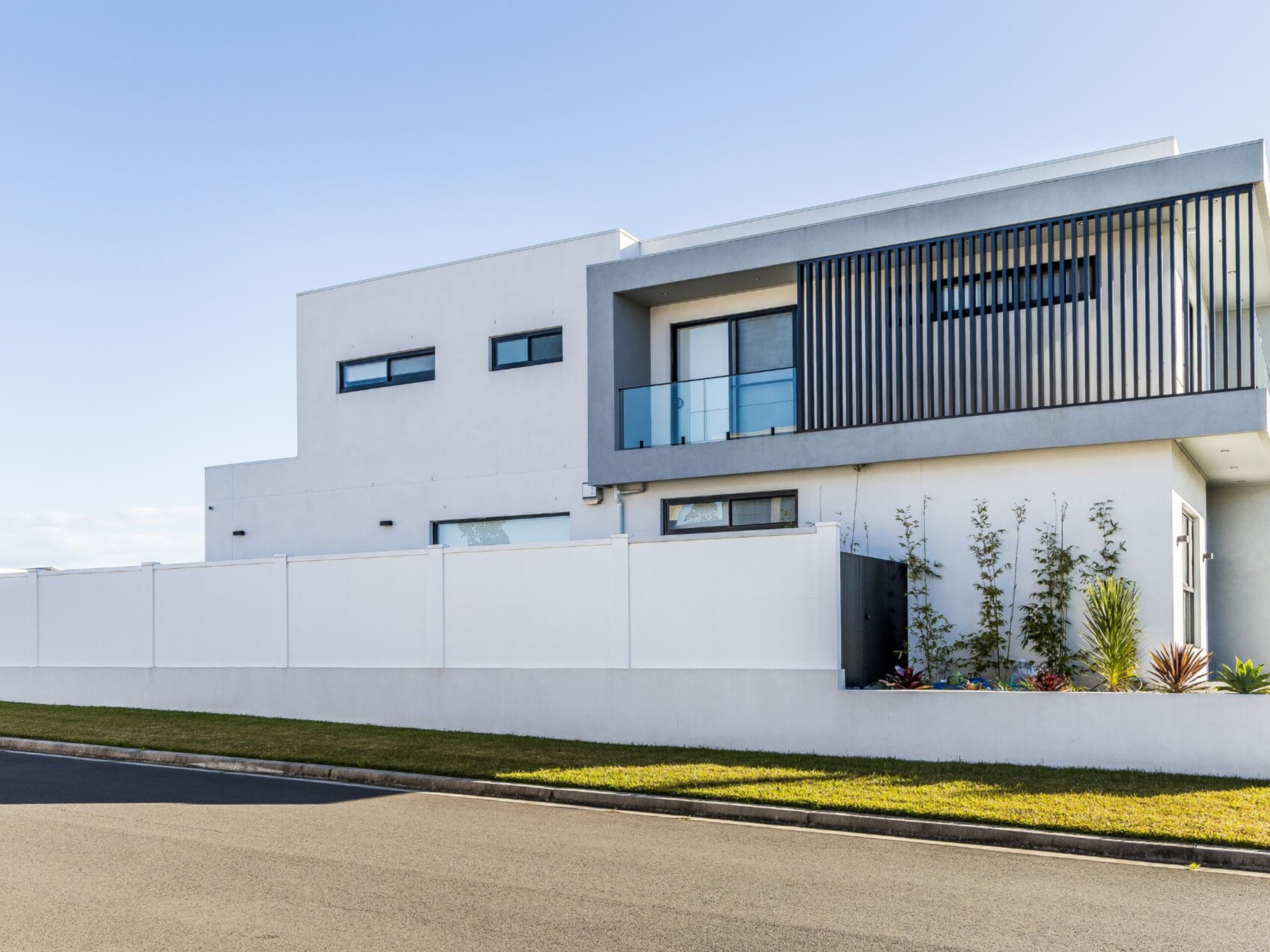
Height can make a big difference when you’re trying to reduce backyard noise. Ideally, the fence needs to interrupt the direct path between the noise and the part of your backyard you’re trying to protect, whether that’s your pool, patio or outdoor entertaining area.
A simple way to think about this is line of sight. If you can see the source of the noise over your fence, there’s a relatively direct path for that sound to reach you. A taller barrier can help break that line of sight, forcing sound to travel over and around it instead. Before increasing the height of a boundary fence, make sure you check the relevant local planning and fencing requirements.
2. Your fence is too lightweight
Simply making an unsuitable fence taller may not solve the problem. For effective noise reduction, height, mass and the overall construction of the fence need to work together.
Sound carries energy, and lightweight fencing can allow more of that energy to pass through. Generally speaking, the denser and more solid the barrier, the better suited it is to reducing noise.
Purpose-designed acoustic fencing takes this into account. ModularWalls acoustic fencing solutions use proprietary AcoustiMax panels to help reduce the transmission of common residential noise, while also providing the privacy you’d expect from a boundary fence. Tested and rated by the National Acoustic Laboratory of Australia, you can expect around a 28dB reduction of audible noise. For context, the CDC places a running lawnmower at around 80–100 dB.
3. There are gaps in or underneath your fence
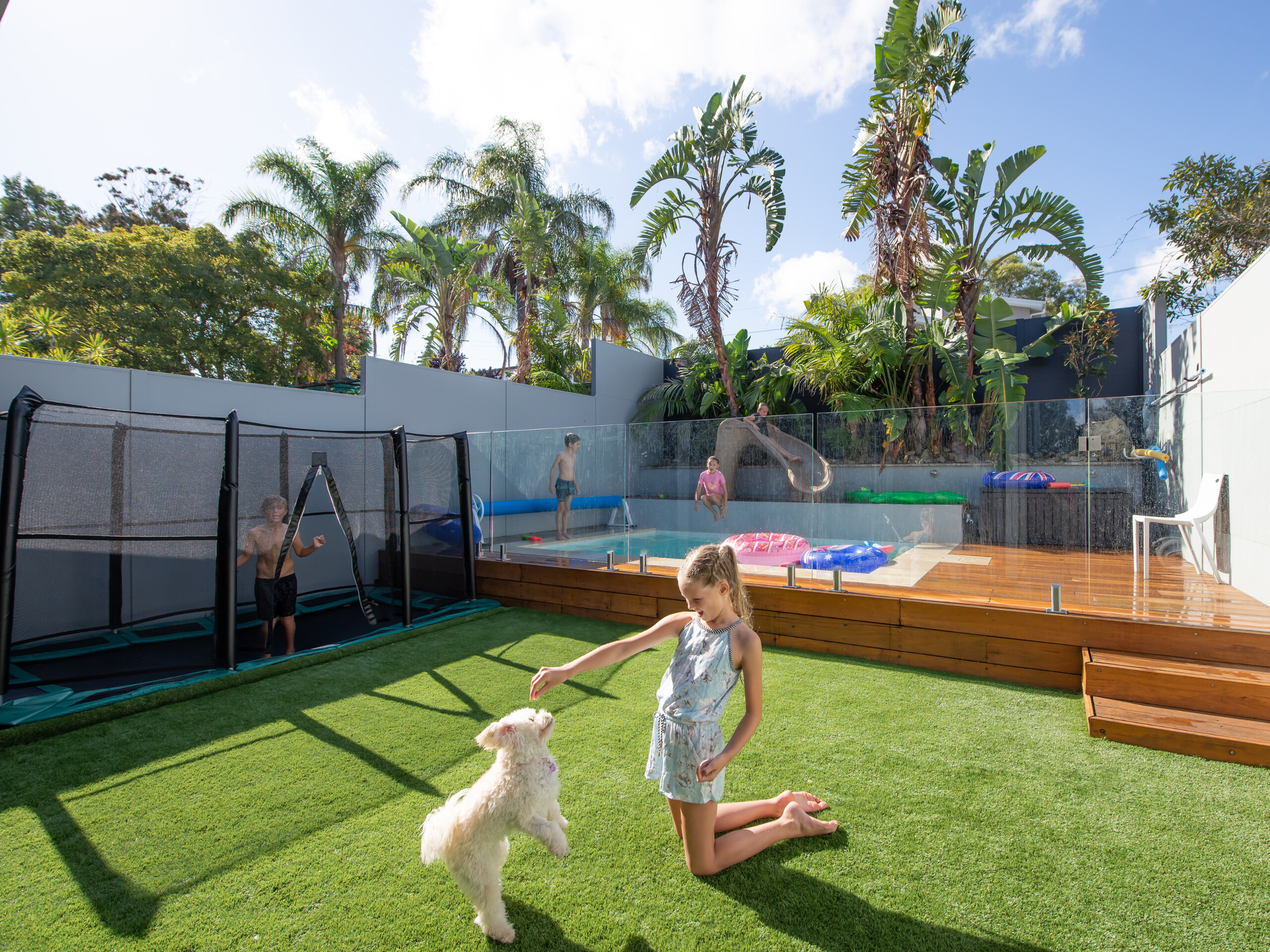
Small gaps might not look like a big deal, but when you’re trying to reduce noise, they can make a difference. Like water, sound can travel through any openings. So, even if your fence looks solid at first glance, gaps can reduce how effectively it acts as a noise barrier.
Look beyond the fence panels themselves, too. Gates, uneven ground and the points where your fence meets other structures can all create openings for sound to travel through.
4. Sound is travelling over or around your fence
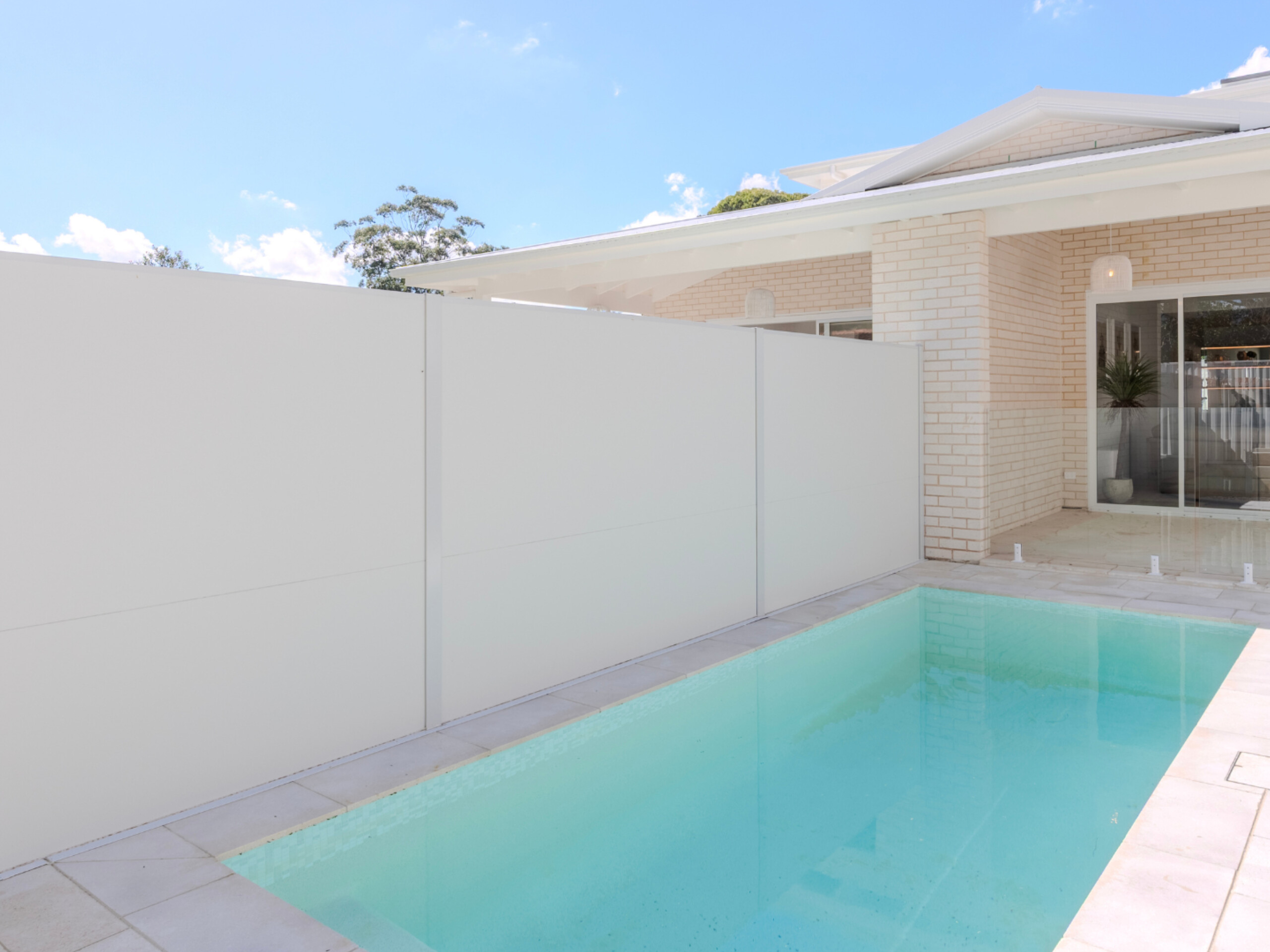
Even a tall, solid fence won’t make your backyard completely soundproof. Sound waves can bend around the top and sides of a barrier. This is known as diffraction, and it’s one reason we talk about reducing backyard noise rather than eliminating it altogether.
Where your fence sits in relation to the noise can also make a difference. In many situations, positioning a barrier closer to the noise source or closer to the area you’re trying to protect can help interrupt the direct sound path.
5. Your fence isn’t suited to the type of noise
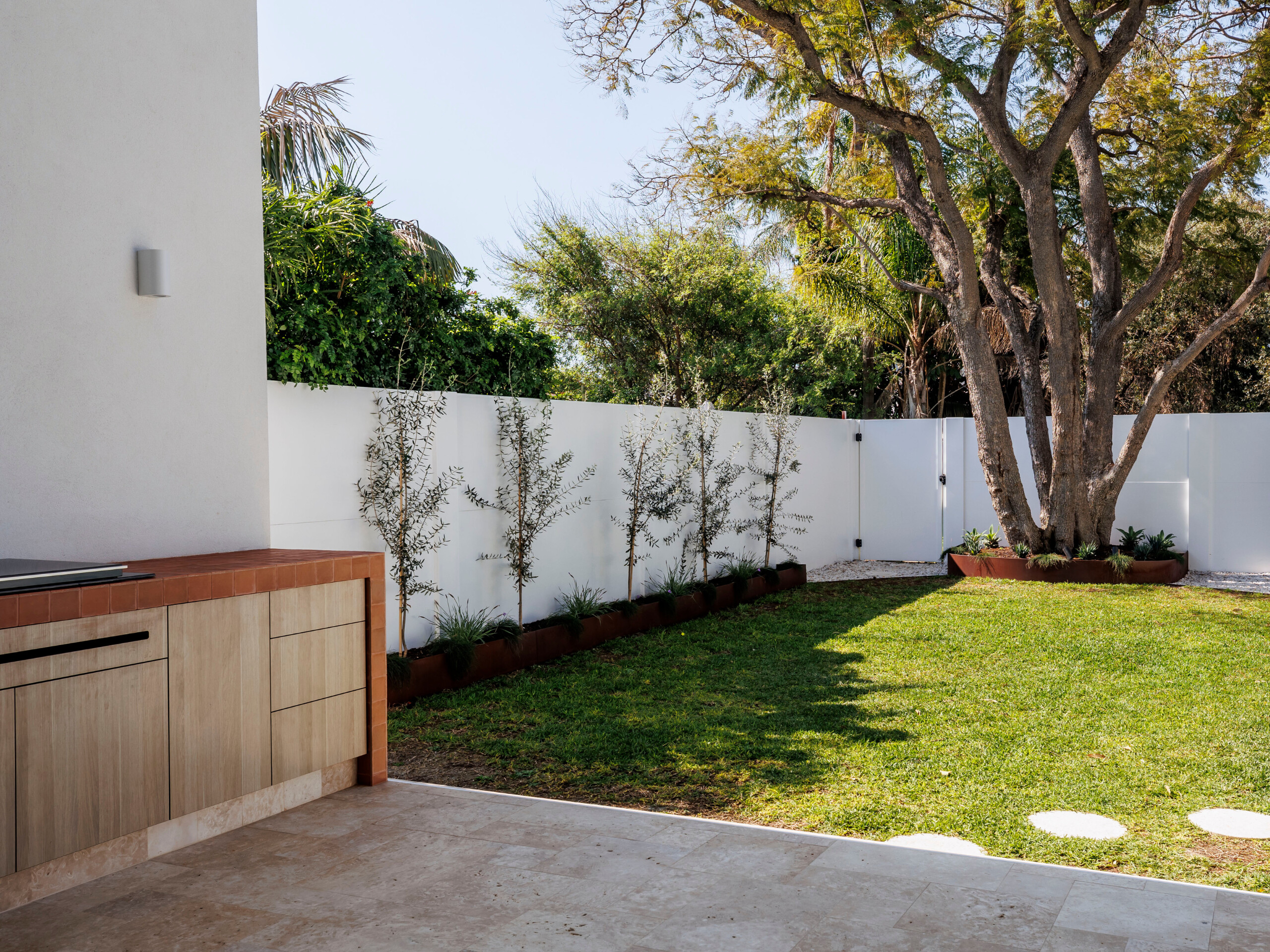
Not all backyard noise is the same. A barking dog next door is different to a pool pump humming throughout the day, and both are different again to low-frequency bass or constant road traffic. The type of sound, where it comes from and even the layout of your property can all influence how effectively a fence reduces it.
- Road and traffic noise
Where a road runs close to the property boundary, a tall, solid and continuous barrier can help interrupt the direct path of traffic noise into your backyard. However, the layout of your property matters. An elevated road, sloping block or nearby buildings can change the way sound reaches your home.
- Everyday neighbour noise, kids and barking dogs
Dogs barking, kids playing, lawnmowers and conversations are all part of suburban life…but that doesn’t mean you want to hear every sound from next door. An acoustic fence with suitable height and mass can help reduce the amount of noise travelling directly between neighbouring properties.
- Loud music and bass
Music can be trickier because it contains a wide range of frequencies. Higher-frequency sounds can generally be easier for a barrier to reduce, while low-frequency bass is more difficult to control. An acoustic fence can still help reduce the amount of noise reaching your backyard, but unfortunately, no fence can make your neighbour’s loud music disappear completely.
- Pool pumps and air-conditioning units
Pool pumps and outdoor air-conditioning units are a little different because the noise usually comes from one fixed location. A solid barrier positioned between the equipment and the area affected by the noise can help.
However, don’t simply box mechanical equipment in. Pool pumps and air-conditioning units may need ventilation, servicing access and specific clearances, so these requirements need to be factored into the design. Depending on the situation, sound absorption may also be worth considering.
6. You’re expecting the fence to do all the work
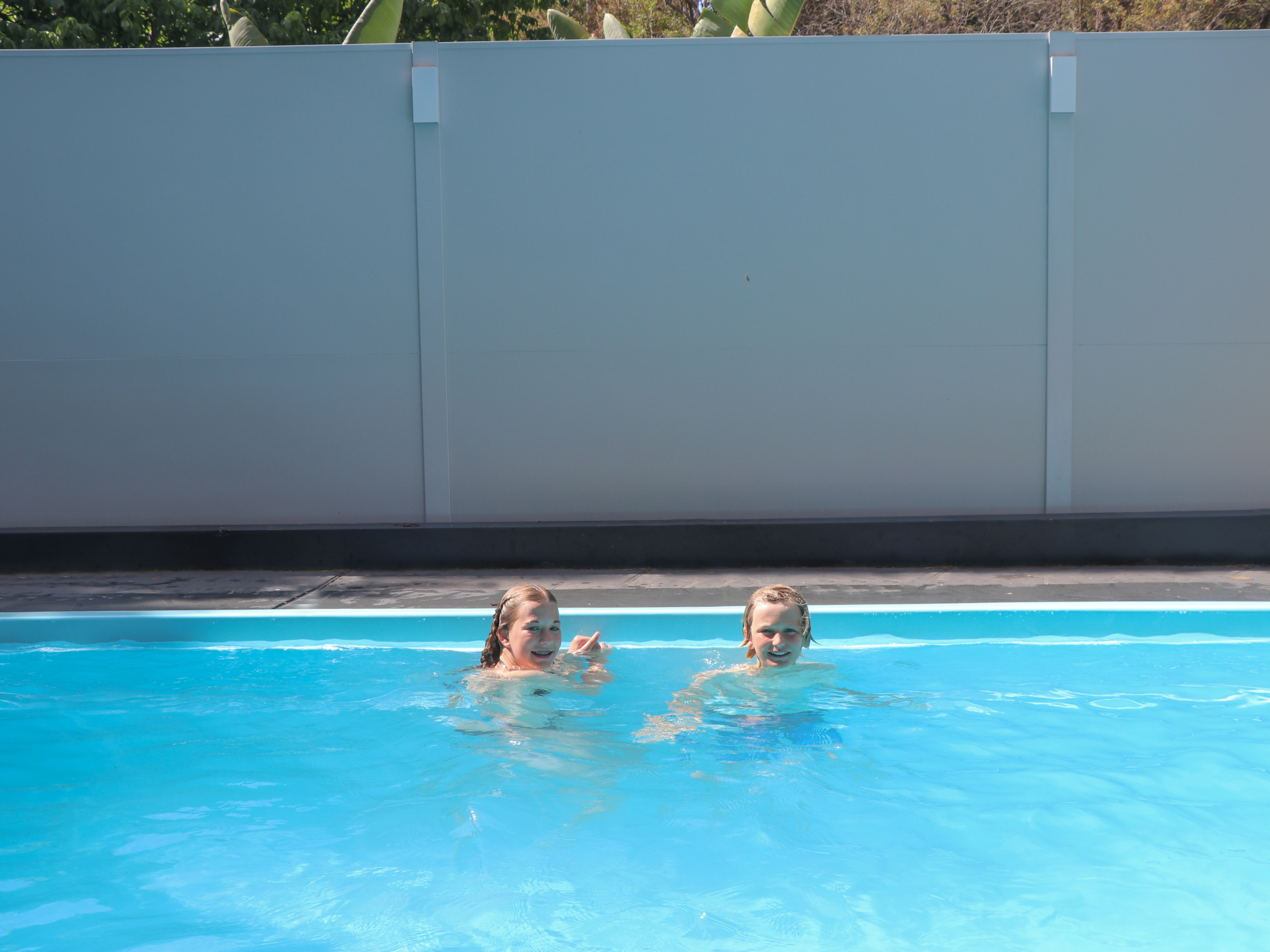
A good acoustic fence can make an important difference, but your fence is only one part of the backyard. Landscaping may assist in providing a level of noise reduction. Plants alone are unlikely to solve a significant noise problem, but they can still play an important role in the overall backyard design.
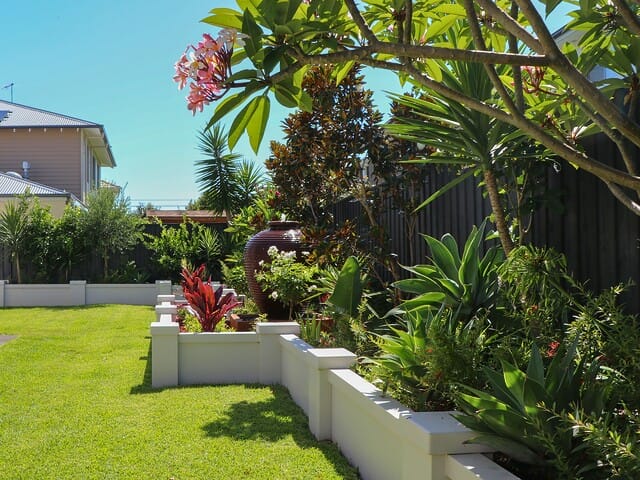
Think about combining hardscaping and softscaping. A solid acoustic fence can form the main physical barrier, while trees, hedges, shrubs and layered planting can soften its appearance and create a more private, relaxing outdoor environment.
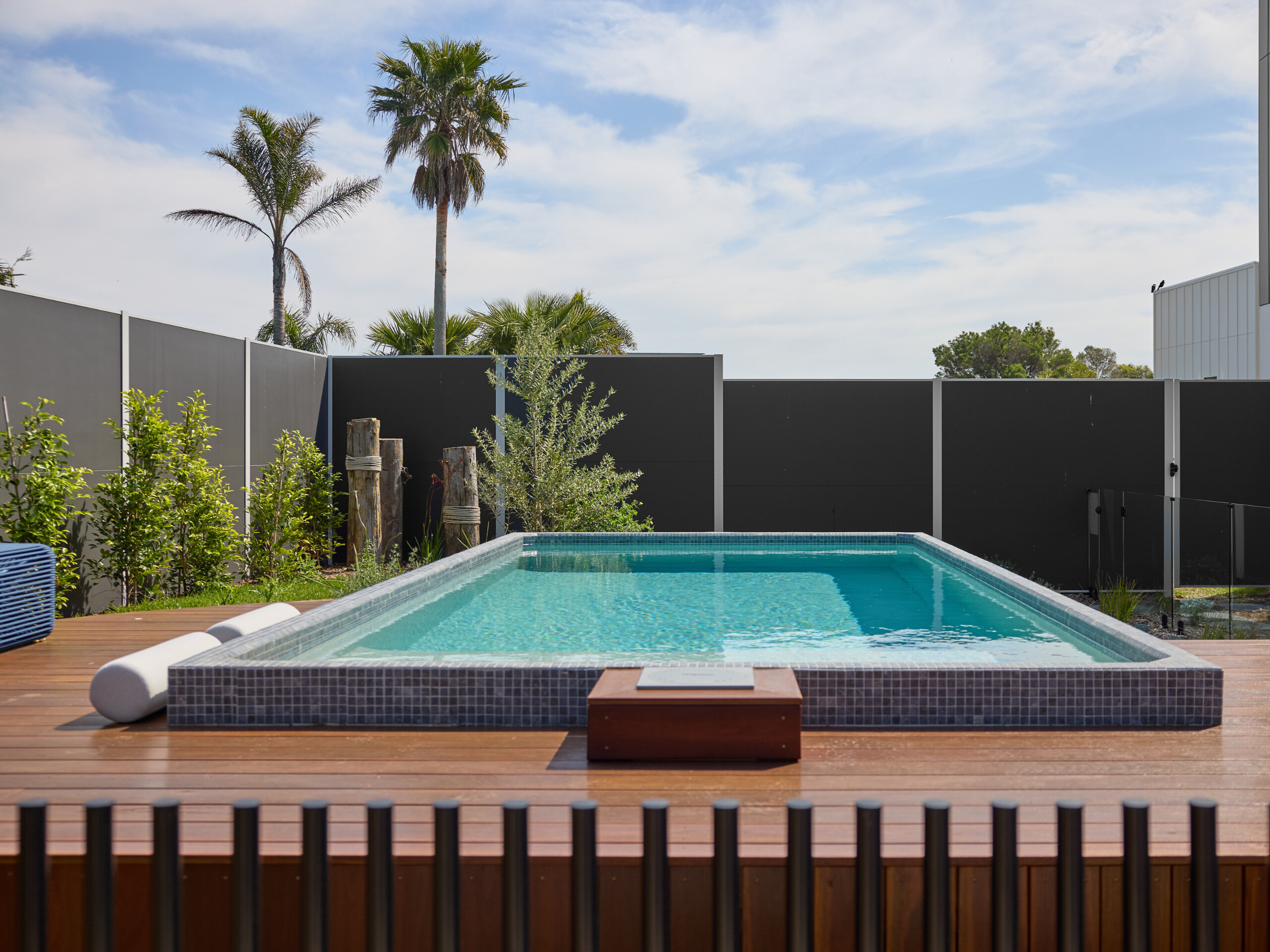
What makes a good noise reducing fence?
If reducing backyard noise is a priority, keep these factors in mind when choosing your fence:
- Height: the fence should be high enough to break the line of sight between you and the noise source
- Density: Have enough mass and density to help reduce sound transmission
- No gaps: Create a continuous barrier with minimal gaps
- Block the line of sight: Cover the area where noise is entering the property
- Noise type: Consider the type and location of the noise you’re dealing with
- Aesthetics: Work with the overall design of your backyard
ModularWalls acoustic fencing solutions combine noise reduction with privacy and a contemporary finish, so you don’t have to choose between acoustic performance and the way your backyard looks.
They can also be incorporated into landscaping and outdoor living areas, helping the wall feel like part of your backyard rather than something that’s simply been added to block noise.

How can you improve noise reduction in your backyard?
If your current fence isn’t doing much to reduce noise, start by taking a closer look at where it might be falling short.
Take a look around your backyard:
- Where is the noise actually coming from?
- Where do you notice it most?
- What’s currently sitting between you and the source?
Those questions can tell you a lot about why your existing fence isn’t working as well as you’d hoped.
The aim isn’t to create complete silence. It’s to reduce unwanted noise enough that your backyard feels more private, comfortable and enjoyable.