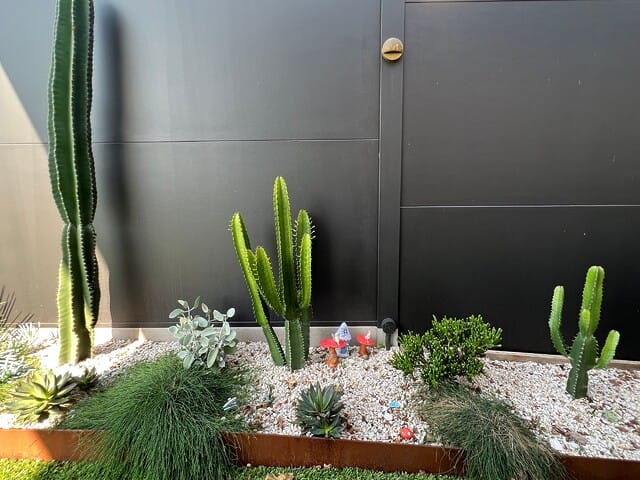
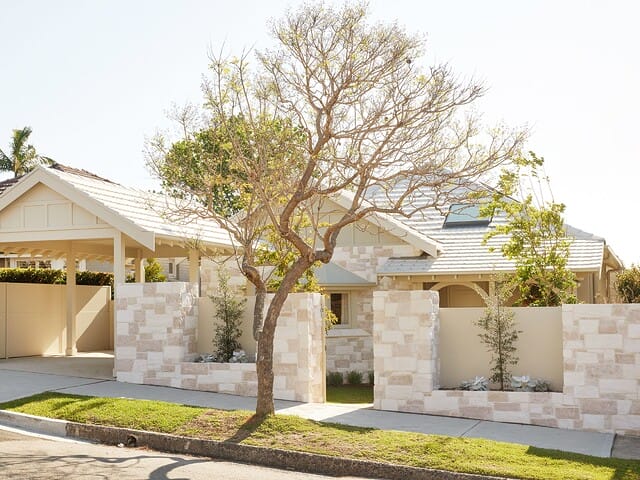
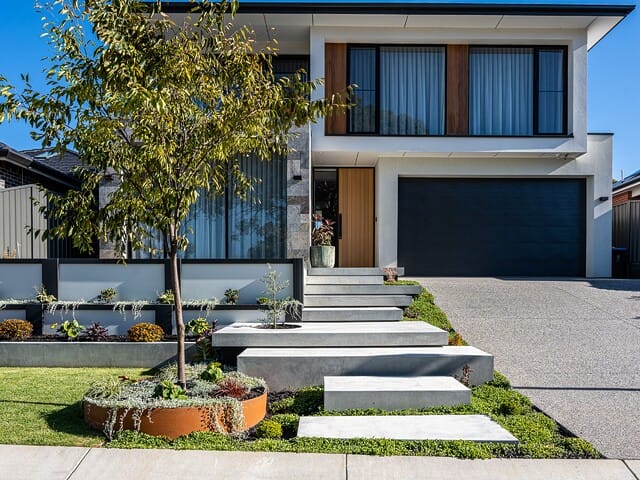
Creating a raised garden bed is one of the simplest ways to elevate the appearance and functionality of your outdoor space. But the key to a stylish, functional raised garden bed is about more than what you plant; it’s how you build it. Choosing the right materials and design can make all the difference to how long your raised garden bed lasts and how good it looks for years to come.
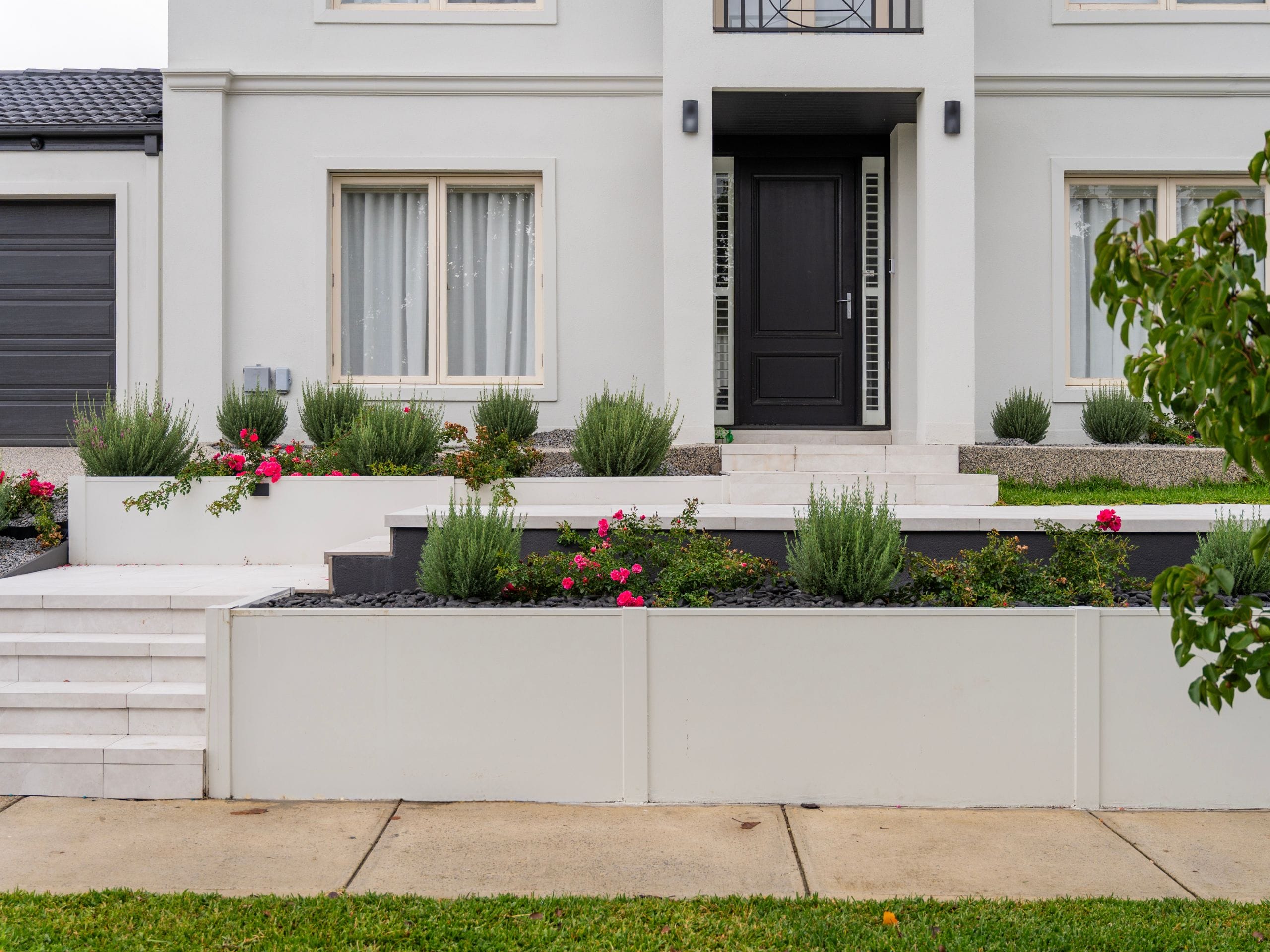
The many benefits of raised garden beds
- Better drainage
One of the biggest advantages of a raised garden bed is improved drainage. Excess water can drain away more effectively, reducing the risk of waterlogged soil. This is particularly beneficial in areas with heavy clay soils or during periods of prolonged rainfall.
- Improved soil quality
With a raised garden bed, you’re not limited by the existing soil conditions in your yard. You can fill the bed with nutrient-rich soil specifically suited to the plants you’re growing.
- Easier maintenance
The defined borders of raised garden beds can help minimise weed growth and make it easier to manage irrigation, fertilising and seasonal maintenance.
- Strong visual appeal
Beyond their practical benefits, raised garden beds can dramatically improve the appearance of your outdoor space by creating structure and introducing varying heights for a dynamic, considered space.
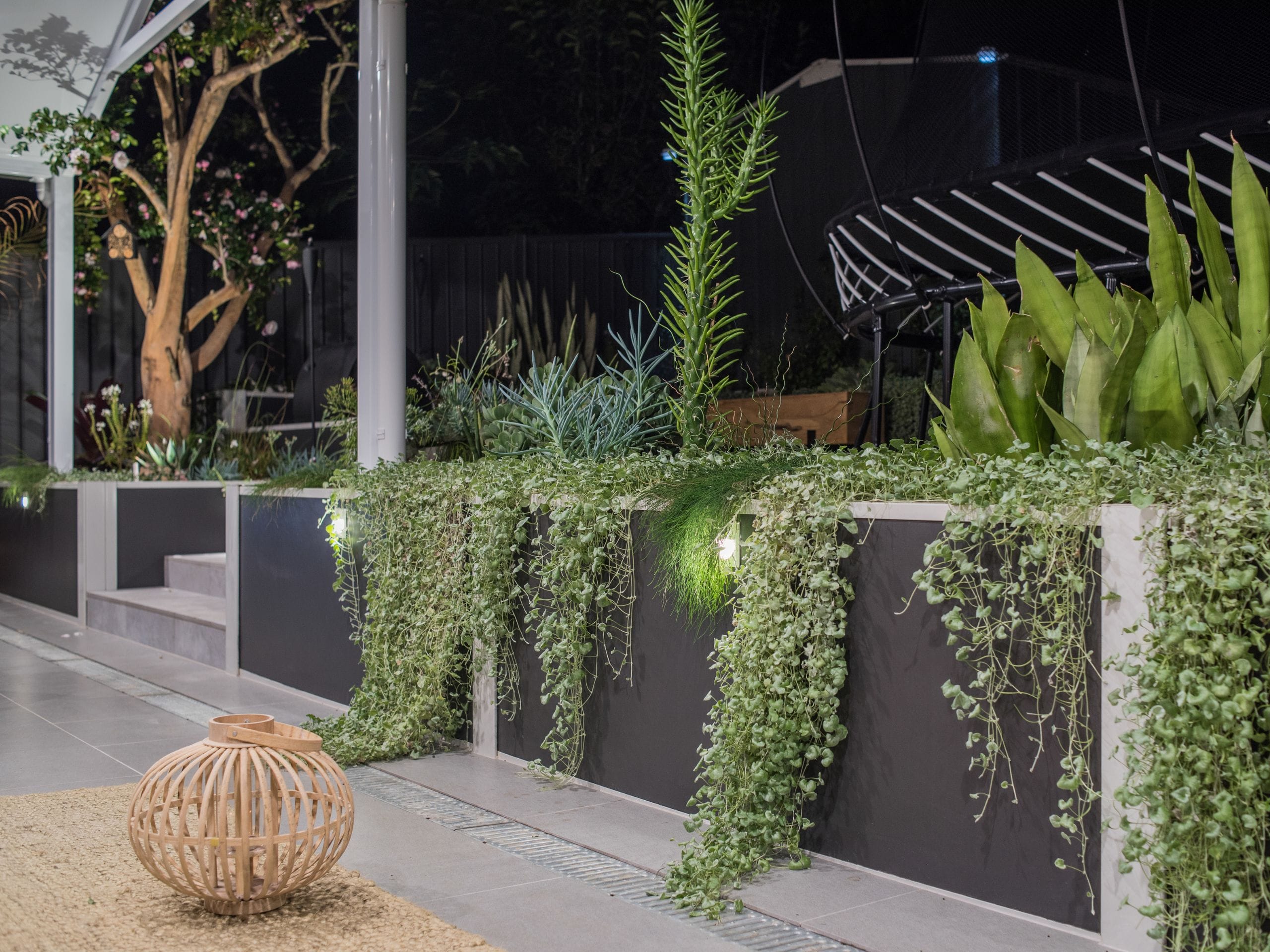
Choosing the right materials for your raised garden bed
The structural integrity of your raised garden bed is critical to its longevity and appearance. Choosing durable materials from the outset may help ensure your garden bed remains aesthetically pleasing for the long-term.

- Timber
Timber is a popular option due to its affordability and natural appearance. However, timber garden beds can be susceptible to rot, warping and termite damage over time, particularly in harsh Australian conditions.
- Stone
Stone and masonry garden beds offer exceptional strength and a premium aesthetic. However, installation can be labour-intensive and often requires specialised skills. For homeowners looking for a DIY-friendly solution, stone may present additional challenges.
- Sleepers
Concrete sleepers are commonly used for raised garden beds because they are relatively easy to source and install. While they can create a solid structure, they may not always deliver the refined finish homeowners are seeking, particularly in modern landscapes.
- ModularWalls TerraFirm retaining panels
For a contemporary alternative, TerraFirm® retaining panels provide the ideal balance of strength, simplicity and style. These revolutionary retaining panels integrate with our residential range of wall styles, allowing you to create a raised garden bed quickly and efficiently.
The lightweight modular panels are easy to handle and install, making them well-suited to DIY projects. At the same time, they provide the structural strength needed to retain soil and create long-lasting garden features.
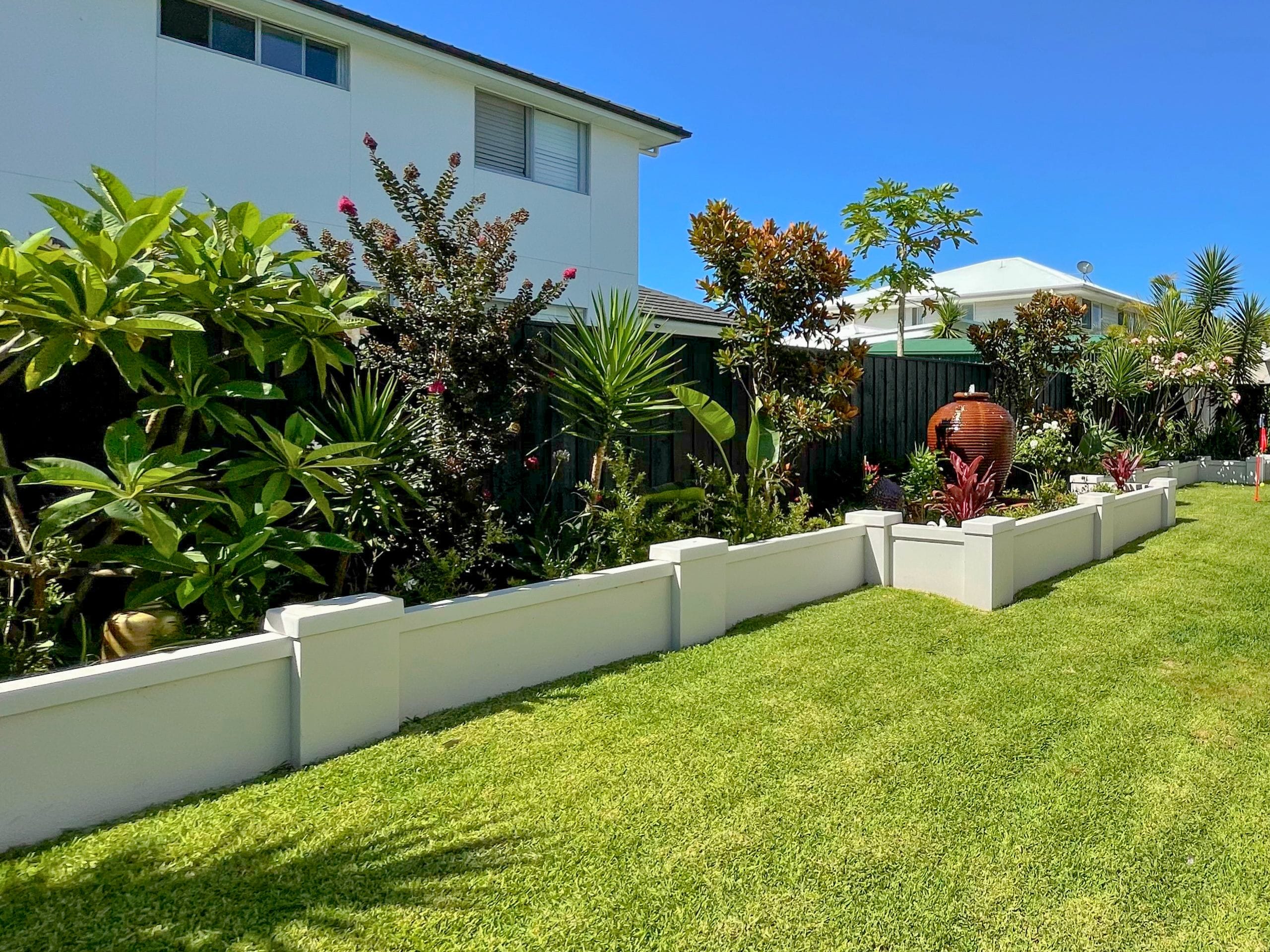
How to DIY your own raised garden bed
Building your own raised garden bed can be a rewarding weekend project, especially when using a DIY-friendly solution like TerraFirm® retaining panels.
- Choose the right location
Select a suitable area that receives adequate sunlight and offers convenient access for watering, planting and ongoing maintenance. - Plan your garden bed layout
Determine the size and shape of your raised garden bed before marking out the area and preparing the site. - Install your TerraFirm garden bed
Installation is simple: dig post holes, position the posts, slide the retaining panels into place and backfill. - Prepare the garden bed
Install a weed-suppressing fabric, ensuring it sits firmly against the ground and corners. If you’re building multiple garden beds, allow enough space between them for comfortable access and wheelbarrow movement. - Add soil and start planting
Fill the bed with quality soil and compost before planting your favourite vegetables, herbs, flowers or shrubs.
For a more detailed walkthrough, explore our DIY raised garden bed guide and discover just how simple it can be to build your own.
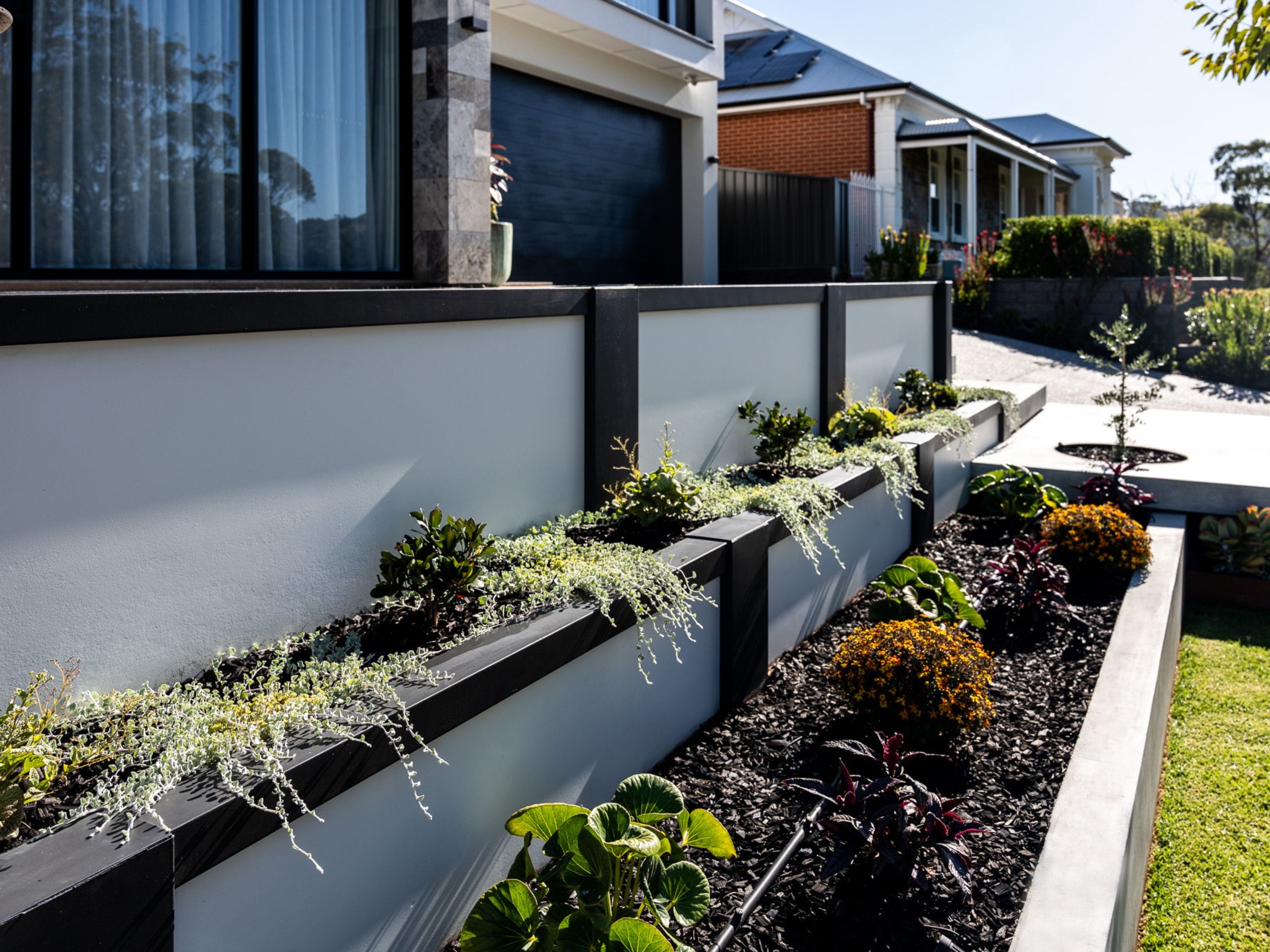
TerraFirm® : the sleek, functional solution
A well-designed raised garden bed can help improve drainage, enhance soil quality, and add lasting visual appeal to your landscape.
While there are many material options available, choosing a durable and attractive retaining solution can significantly impact the longevity and finish of your project.
For homeowners seeking a modern, DIY-friendly alternative, TerraFirm® retaining panels provide a practical way to create raised garden beds that are built to last. Not to mention, it’s a sophisticated, durable and low-maintenance solution designed to complement Australian homes.